Wet Hire vs Dry Hire: What's the Difference and Which Do You Need?
Wet Hire vs Dry Hire: What's the Difference and Which Do You Need?
The plain guide to wet hire vs dry hire: what you get, who's responsible, and when to use each.
The plain guide to wet hire vs dry hire: what you get, who's responsible, and when to use each.
By Cloudcon
By Cloudcon
4 minute read
4 minute read
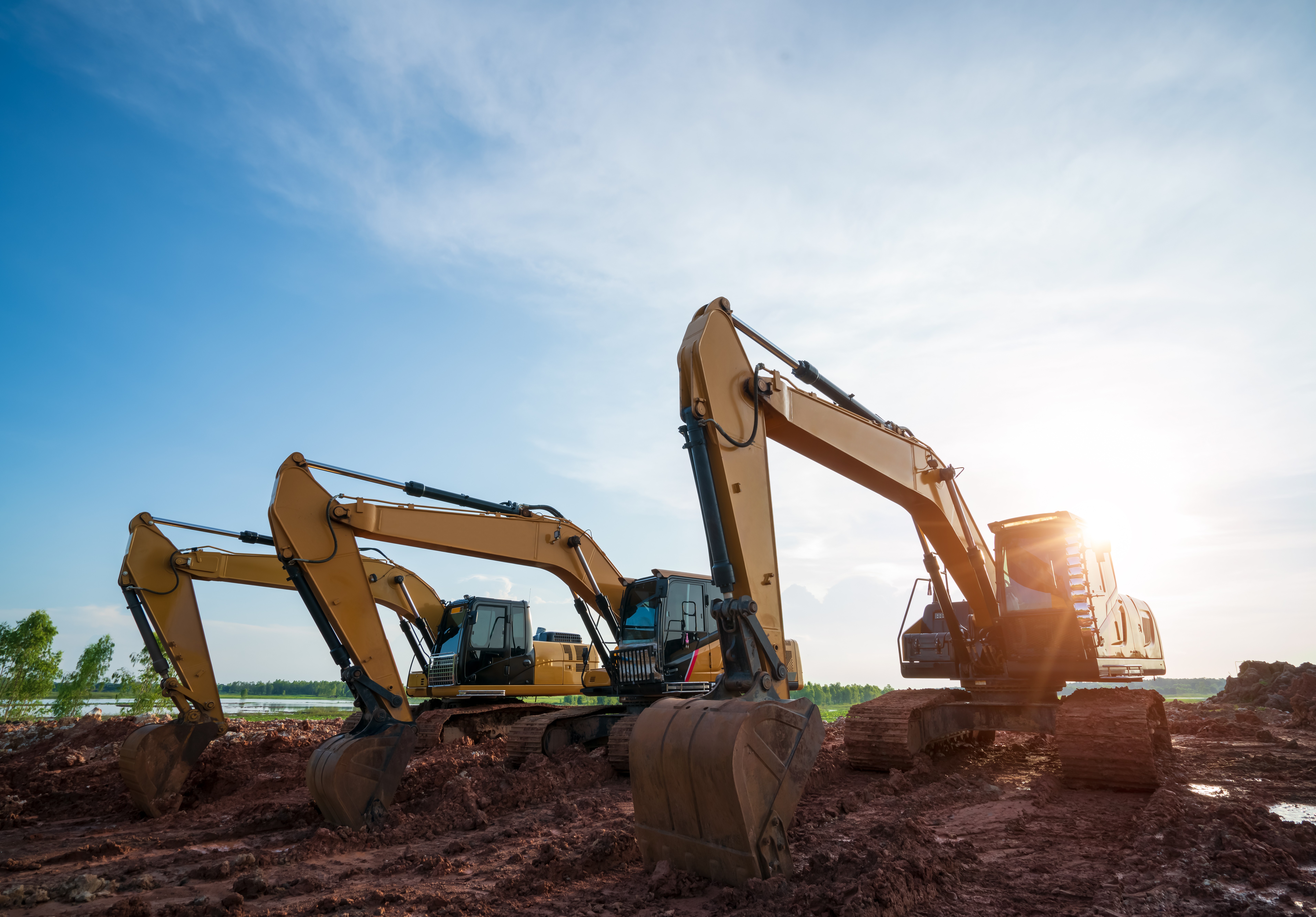
Wet hire and dry hire get thrown around on every civil job. Most people know the basic split. Fewer think about what it changes for safety, insurance, costs and paperwork. Here's the plain version.
The short answer
Dry hire is the machine only. You supply the operator, and you're running it.
Wet hire is the machine plus an operator from the hire company. Fuel and day-to-day upkeep are often included too.
Dry hire hands you the machine. Wet hire hands you the machine and the person who knows it.
What is dry hire?
With dry hire, you get the equipment and nothing else. Your business provides a licensed, competent operator and runs the machine on your job.
That usually means you look after:
The operator and their tickets
Fuel
Daily prestart checks
Reporting defects and damage
Getting the machine back in the condition it went out
Dry hire is usually priced by the day, week or month.
What is wet hire?
With wet hire, the hire company sends the machine with an operator. Their operator runs it on your site, and the hire company manages that operator's hours, pay and tickets.
Fuel, servicing and minor maintenance are often bundled in, depending on the agreement.
Wet hire is usually priced by the hour, and the rate covers both the machine and the operator.
Side by side
Dry hire | Wet hire | |
|---|---|---|
What you get | Machine only | Machine plus operator |
Who operates it | Your people | The hire company's operator |
Typical pricing | Daily, weekly or monthly | Hourly, operator included |
Fuel | Usually you | Often the hire company |
Prestarts | Your operator | Their operator |
Operator tickets and pay | Your responsibility | The hire company's responsibility |
Best for | Long jobs with your own skilled crew | Short jobs, specialist gear, crew gaps |
Who's responsible for what?
This is where the two split hardest.
Safety. Under WHS and OHS laws, both the hirer and the hire company have duties, and those duties overlap. The difference is who controls the day-to-day running of the machine. On dry hire, that's mostly you. On wet hire, the hire company carries more of it through their operator, but you're still responsible for your site.
Insurance. Dry hire agreements often require you to insure the machine while it's in your care, and you may be liable for damage. Wet hire usually shifts more of that to the hire company. Always check the agreement. They vary a lot.
Breakdowns. On dry hire, a breakdown caused by misuse can land on you. On wet hire, the operator is theirs, so the conversation is different. Clear prestart and defect records are what settle these arguments.
Liability terms vary by state and provider, so check your agreement and talk to your insurer or legal advisor.
Which one do you need?
Go dry hire when:
You have operators with the right tickets
The job runs long and the machine will be busy
You want full control of how and when it's used
Go wet hire when:
You don't have an operator for that machine
It's specialist gear, like a crane or a large excavator
The job is short or the work is a one-off
You'd rather not carry the operator's admin and compliance
Plenty of contractors use both, sometimes on the same job.
The paperwork behind both
Either way, the same things decide whether a hire makes or loses money:
Prestarts. Who did them, when, and what failed
Hours. Engine hours and operator hours, captured on site
Dockets. Signed off and matched to the right job
Defects. Logged with photos and sent to the workshop
Timesheets. Your own crew on dry hire, the hire company's operator on wet hire, paid under the right EBA or award
Invoicing. Dockets turned into invoices without hours going missing
When this lives on paper or across disconnected apps, hours get lost, disputes drag on and invoices go out late.
Where Cloudcon fits
Cloudcon handles wet and dry hire in one place, for both hire businesses and the contractors who hire from them.
Wet and dry hire together: machines, operators and timesheets managed in one system
Operator pay: EBA and award interpretation built in, so timesheets are paid correctly
Prestarts and lockout: you set what counts as a critical fail. When one is logged, the machine is flagged unavailable on the allocation board and the photo defect goes straight to the workshop queue
Allocations: see which machine is on which job, and who's in the seat
Dockets to invoices: hours captured on site flow into invoicing, with Xero and MYOB integrations
Training matrix: track operator tickets and licences so the right people are on the right gear
In the field: mobile app with offline access
Cloudcon is ISO 27001 certified, and your data is hosted in Australia on AWS Sydney.
Whether you're running hire off spreadsheets, juggling a few apps, or you've outgrown another system, Cloudcon is set up around how your business works.
Built for the dirt, not desks.
FAQ
What is the difference between wet hire and dry hire? Dry hire is the machine only, and you supply the operator. Wet hire includes an operator from the hire company, and often fuel and maintenance.
Is wet hire more expensive than dry hire? The rate is usually higher because it includes an operator. But it can work out cheaper if you'd otherwise need to hire, train or pay an operator yourself.
Who is responsible for safety on wet hire? Both the hirer and the hire company have duties under WHS and OHS laws. On wet hire, the hire company carries more responsibility for its operator, but the hirer is still responsible for the site.
Do I need insurance for dry hire? Most dry hire agreements require you to cover the machine while it's in your care. Check the terms of each agreement.
Can one system manage both wet and dry hire? Yes. Cloudcon manages wet and dry hire together, including operator timesheets, prestarts, dockets and invoicing.
Wet hire and dry hire get thrown around on every civil job. Most people know the basic split. Fewer think about what it changes for safety, insurance, costs and paperwork. Here's the plain version.
The short answer
Dry hire is the machine only. You supply the operator, and you're running it.
Wet hire is the machine plus an operator from the hire company. Fuel and day-to-day upkeep are often included too.
Dry hire hands you the machine. Wet hire hands you the machine and the person who knows it.
What is dry hire?
With dry hire, you get the equipment and nothing else. Your business provides a licensed, competent operator and runs the machine on your job.
That usually means you look after:
The operator and their tickets
Fuel
Daily prestart checks
Reporting defects and damage
Getting the machine back in the condition it went out
Dry hire is usually priced by the day, week or month.
What is wet hire?
With wet hire, the hire company sends the machine with an operator. Their operator runs it on your site, and the hire company manages that operator's hours, pay and tickets.
Fuel, servicing and minor maintenance are often bundled in, depending on the agreement.
Wet hire is usually priced by the hour, and the rate covers both the machine and the operator.
Side by side
Dry hire | Wet hire | |
|---|---|---|
What you get | Machine only | Machine plus operator |
Who operates it | Your people | The hire company's operator |
Typical pricing | Daily, weekly or monthly | Hourly, operator included |
Fuel | Usually you | Often the hire company |
Prestarts | Your operator | Their operator |
Operator tickets and pay | Your responsibility | The hire company's responsibility |
Best for | Long jobs with your own skilled crew | Short jobs, specialist gear, crew gaps |
Who's responsible for what?
This is where the two split hardest.
Safety. Under WHS and OHS laws, both the hirer and the hire company have duties, and those duties overlap. The difference is who controls the day-to-day running of the machine. On dry hire, that's mostly you. On wet hire, the hire company carries more of it through their operator, but you're still responsible for your site.
Insurance. Dry hire agreements often require you to insure the machine while it's in your care, and you may be liable for damage. Wet hire usually shifts more of that to the hire company. Always check the agreement. They vary a lot.
Breakdowns. On dry hire, a breakdown caused by misuse can land on you. On wet hire, the operator is theirs, so the conversation is different. Clear prestart and defect records are what settle these arguments.
Liability terms vary by state and provider, so check your agreement and talk to your insurer or legal advisor.
Which one do you need?
Go dry hire when:
You have operators with the right tickets
The job runs long and the machine will be busy
You want full control of how and when it's used
Go wet hire when:
You don't have an operator for that machine
It's specialist gear, like a crane or a large excavator
The job is short or the work is a one-off
You'd rather not carry the operator's admin and compliance
Plenty of contractors use both, sometimes on the same job.
The paperwork behind both
Either way, the same things decide whether a hire makes or loses money:
Prestarts. Who did them, when, and what failed
Hours. Engine hours and operator hours, captured on site
Dockets. Signed off and matched to the right job
Defects. Logged with photos and sent to the workshop
Timesheets. Your own crew on dry hire, the hire company's operator on wet hire, paid under the right EBA or award
Invoicing. Dockets turned into invoices without hours going missing
When this lives on paper or across disconnected apps, hours get lost, disputes drag on and invoices go out late.
Where Cloudcon fits
Cloudcon handles wet and dry hire in one place, for both hire businesses and the contractors who hire from them.
Wet and dry hire together: machines, operators and timesheets managed in one system
Operator pay: EBA and award interpretation built in, so timesheets are paid correctly
Prestarts and lockout: you set what counts as a critical fail. When one is logged, the machine is flagged unavailable on the allocation board and the photo defect goes straight to the workshop queue
Allocations: see which machine is on which job, and who's in the seat
Dockets to invoices: hours captured on site flow into invoicing, with Xero and MYOB integrations
Training matrix: track operator tickets and licences so the right people are on the right gear
In the field: mobile app with offline access
Cloudcon is ISO 27001 certified, and your data is hosted in Australia on AWS Sydney.
Whether you're running hire off spreadsheets, juggling a few apps, or you've outgrown another system, Cloudcon is set up around how your business works.
Built for the dirt, not desks.
FAQ
What is the difference between wet hire and dry hire? Dry hire is the machine only, and you supply the operator. Wet hire includes an operator from the hire company, and often fuel and maintenance.
Is wet hire more expensive than dry hire? The rate is usually higher because it includes an operator. But it can work out cheaper if you'd otherwise need to hire, train or pay an operator yourself.
Who is responsible for safety on wet hire? Both the hirer and the hire company have duties under WHS and OHS laws. On wet hire, the hire company carries more responsibility for its operator, but the hirer is still responsible for the site.
Do I need insurance for dry hire? Most dry hire agreements require you to cover the machine while it's in your care. Check the terms of each agreement.
Can one system manage both wet and dry hire? Yes. Cloudcon manages wet and dry hire together, including operator timesheets, prestarts, dockets and invoicing.
Written by Cloudcon
Written by Cloudcon
Written by Cloudcon
Ready for Total Control
See how Cloudcon can be configured around the way your business works.
Pricing is tailored to your business size, required modules, and user count. Book a demo for a quote based on your needs.
Ready for Total Control
See how Cloudcon can be configured around the way your business works.
Pricing is tailored to your business size, required modules, and user count. Book a demo for a quote based on your needs.