Guide to Asset Management for Construction
Guide to Asset Management for Construction
Discover how effective asset management software helps construction businesses track equipment, reduce downtime, and ensure compliance across projects.
Discover how effective asset management software helps construction businesses track equipment, reduce downtime, and ensure compliance across projects.
By Cloudcon
By Cloudcon
3 minute read
3 minute read
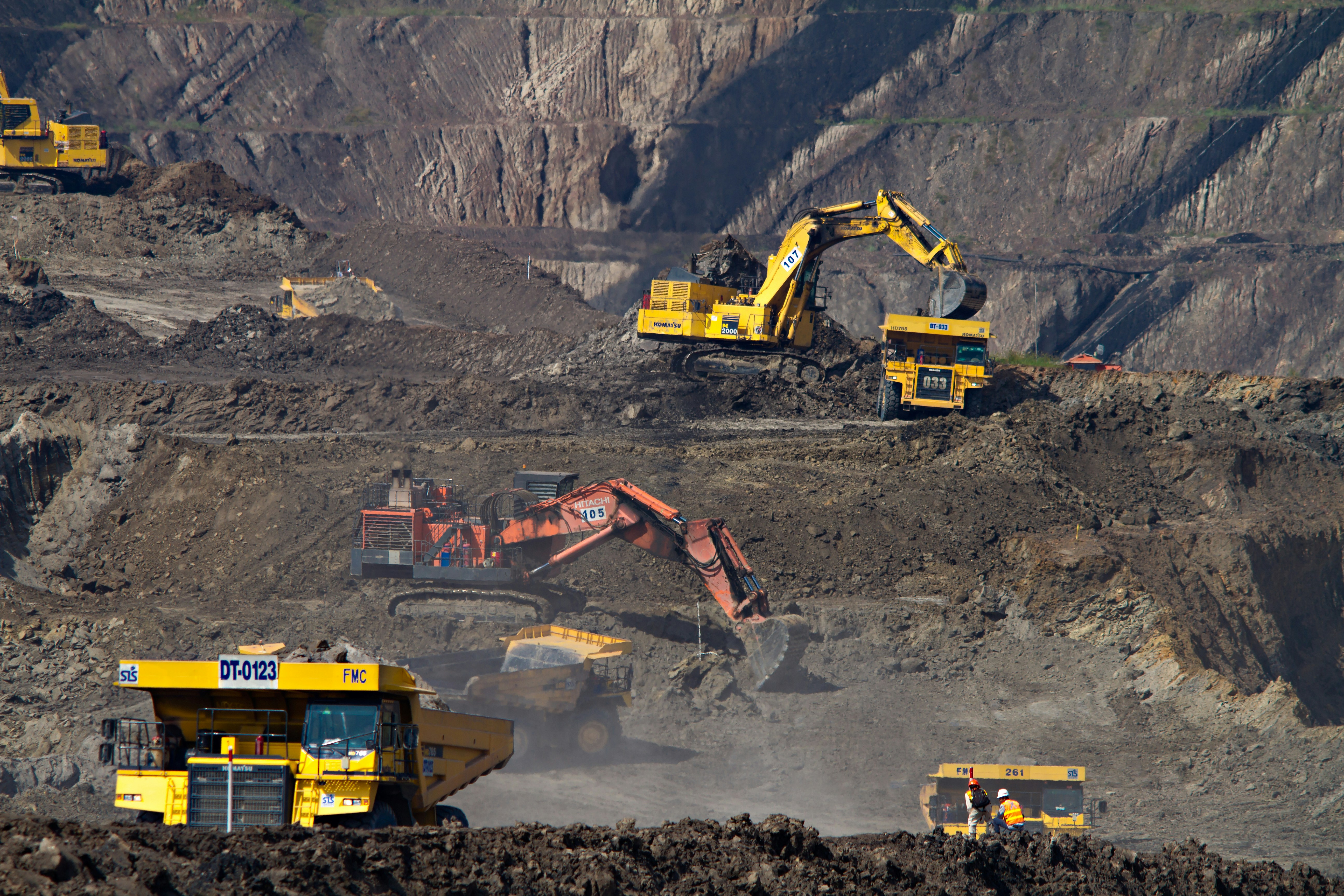
Construction businesses lose money on assets in ways that rarely show up until the annual review - a machine sitting idle, a service missed, a tool nobody can find. Here’s how effective asset management actually prevents that.
Poor asset control can lead to unexpected costs, project delays, safety risks, and reduced profitability.
Managing assets well minimises downtime, extends asset life, and ensures projects run on schedule and within budget.
Asset Tracking Fundamentals
Types of Assets to Manage
Construction firms must manage a diverse range of assets that fall into several key categories:
Plant Machinery:Large, heavy machines essential for construction work, including excavators, bulldozers, cranes, and loaders. These require regular maintenance and tracking due to their high value and critical role in project execution.
Equipment:Vehicles like trucks, forklifts, and utility vehicles used for transportation, loading, and onsite logistics. Managing their location, condition, and usage helps reduce delays and improve fleet utilisation.
Tools:Both hand tools and power tools (drills, saws, hammers). Despite their smaller size, tools represent a significant investment and require tracking to prevent loss, theft, and ensure availability.
Consumables:Materials like fuel, spare parts, fasteners, and safety supplies. Efficient inventory management reduces waste and prevents project slowdowns due to stock shortages.
Temporary Structures and Safety Equipment:Scaffolding, barricades, safety guards, fire extinguishers, and personal protective equipment must be tracked to ensure compliance and proper deployment across sites.
Technological Assets:Drones, sensors, software licences, and communication devices facilitate advanced monitoring but require strict management for security and optimal use.
Barcoding, RFID, and GPS Technology
Modern asset management systems utilise barcodes and RFID tags to automate asset identification and tracking.
GPS technology enables real-time location tracking, which is especially valuable for large fleets and distributed sites. These technologies improve accuracy and accountability across asset lifecycles.
Optimising Asset Use
Scheduling and Maintenance PlanningProper scheduling ensures assets are available when needed, avoiding both idle time and overbooking. Maintenance plans - based on manufacturer recommendations and usage data - prevent costly breakdowns and extend asset lifespan. Automated reminders help maintain timely servicing.
Reducing Downtime and Improving Asset TurnoverPrompt repairs and preventative maintenance reduce unexpected outages. Efficient asset turnover across projects maximises utilisation and reduces the need for costly rentals or new purchases, improving return on investment. For a deeper look at moving from reactive to predictive maintenance, seeHow Asset Tracking Improves Maintenance Efficiency.
Digital Solutions for Asset Management
Cloud-Based Asset Tracking PlatformsCloud solutions enable centralised access to asset data from any location, improving coordination between field and office teams. Real-time updates help with quick decision-making and reduce paperwork.
Mobile Apps for Field Data CaptureMobile applications empower site workers to update asset status, log usage, and report issues instantly. This enhances data accuracy and speeds up response times to asset-related problems.
Integration with ERP and CMMS Systemsdirect integration with Enterprise Resource Planning (ERP) and Computerised Maintenance Management Systems (CMMS) consolidates financial, operational, and maintenance data. This connected view supports better asset lifecycle management and compliance tracking.
Compliance & Risk Mitigation
Ensuring Safety with Asset InspectionsRegular inspections verify asset condition and compliance with safety regulations. Identification of faults or wear-and-tear early prevents accidents and ensures regulatory conformity.
Documenting Asset History and Maintenance LogsDetailed records of asset acquisition, usage, maintenance, and repairs support audit requirements and help predict asset replacement timelines. Digital logs reduce administrative errors and provide transparency.
The Benefits of Asset Management
Cost Savings
Effective asset management significantly lowers costs by minimising downtime, avoiding unnecessary equipment rentals or purchases, and preventing asset loss or theft.
Scheduled maintenance based on real-time data reduces expensive emergency repairs and extends the useful life of equipment and tools. Digital tracking and audit-ready records help avoid penalties and optimise capital expenditure.
Productivity Gains
By ensuring the right equipment and tools are available when and where needed, construction teams can maintain steady workflows and improve project timelines.
Real-time asset visibility enables better planning and rapid reallocation, reducing idle time and boosting overall productivity. Mobile data capture and cloud-based platforms accelerate decision-making, improving site responsiveness.
Audit Readiness
Comprehensive documentation of asset usage, maintenance, inspections, and repairs enhances transparency and simplifies compliance with industry regulations.
Centralised digital records ease auditing processes and demonstrate a company’s commitment to safety and operational excellence. Cloudcon’s asset management solutions enable companies to maintain accurate, real-time logs, ensuring readiness for internal and external audits.
Regulation Updates & How Cloudcon Assists
Documented pre-starts, inspections, and service logs for plant and equipment are commonly required by company procedures and site rules, and support compliance with Australian WHS obligations.
Cloudcon automates these tasks with scheduled reminders, digital checklists, and real-time compliance dashboards, ensuring audit-ready records and safer operations.
Frequently Asked Questions
What types of assets are most critical to track in construction?
Plant machinery, power tools, scaffolding, and safety equipment are essential assets to monitor closely.
How does RFID technology improve asset tracking?
RFID automates asset identification and provides real-time status updates, reducing manual errors and losses.
What role does preventive maintenance play in asset management?
Preventive maintenance reduces downtime, extends asset life, and minimises costly emergency repairs.
Can asset management software integrate with other business systems?
Yes, Cloudcon integrates with ERP, CMMS, and accounting platforms like Xero and MYOB, providing a single view of asset usage, maintenance costs, and financial performance.
How does Cloudcon help with compliance in asset management?
Cloudcon’s solutions automate inspection scheduling, compliance reporting, and maintenance alerts to ensure regulatory adherence.
What are the benefits of mobile data capture in asset management?
Mobile apps enable real-time updates from the field, improving data accuracy and speeding resolutions.
How often should assets be audited?
Regular audits - monthly or quarterly - ensure accuracy in tracking and reveal discrepancies before they impact projects.
How can better asset management improve project profitability?
By reducing lost assets, managing maintenance costs, and optimising utilisation, companies protect margins and avoid overruns.
Construction businesses lose money on assets in ways that rarely show up until the annual review - a machine sitting idle, a service missed, a tool nobody can find. Here’s how effective asset management actually prevents that.
Poor asset control can lead to unexpected costs, project delays, safety risks, and reduced profitability.
Managing assets well minimises downtime, extends asset life, and ensures projects run on schedule and within budget.
Asset Tracking Fundamentals
Types of Assets to Manage
Construction firms must manage a diverse range of assets that fall into several key categories:
Plant Machinery:Large, heavy machines essential for construction work, including excavators, bulldozers, cranes, and loaders. These require regular maintenance and tracking due to their high value and critical role in project execution.
Equipment:Vehicles like trucks, forklifts, and utility vehicles used for transportation, loading, and onsite logistics. Managing their location, condition, and usage helps reduce delays and improve fleet utilisation.
Tools:Both hand tools and power tools (drills, saws, hammers). Despite their smaller size, tools represent a significant investment and require tracking to prevent loss, theft, and ensure availability.
Consumables:Materials like fuel, spare parts, fasteners, and safety supplies. Efficient inventory management reduces waste and prevents project slowdowns due to stock shortages.
Temporary Structures and Safety Equipment:Scaffolding, barricades, safety guards, fire extinguishers, and personal protective equipment must be tracked to ensure compliance and proper deployment across sites.
Technological Assets:Drones, sensors, software licences, and communication devices facilitate advanced monitoring but require strict management for security and optimal use.
Barcoding, RFID, and GPS Technology
Modern asset management systems utilise barcodes and RFID tags to automate asset identification and tracking.
GPS technology enables real-time location tracking, which is especially valuable for large fleets and distributed sites. These technologies improve accuracy and accountability across asset lifecycles.
Optimising Asset Use
Scheduling and Maintenance PlanningProper scheduling ensures assets are available when needed, avoiding both idle time and overbooking. Maintenance plans - based on manufacturer recommendations and usage data - prevent costly breakdowns and extend asset lifespan. Automated reminders help maintain timely servicing.
Reducing Downtime and Improving Asset TurnoverPrompt repairs and preventative maintenance reduce unexpected outages. Efficient asset turnover across projects maximises utilisation and reduces the need for costly rentals or new purchases, improving return on investment. For a deeper look at moving from reactive to predictive maintenance, seeHow Asset Tracking Improves Maintenance Efficiency.
Digital Solutions for Asset Management
Cloud-Based Asset Tracking PlatformsCloud solutions enable centralised access to asset data from any location, improving coordination between field and office teams. Real-time updates help with quick decision-making and reduce paperwork.
Mobile Apps for Field Data CaptureMobile applications empower site workers to update asset status, log usage, and report issues instantly. This enhances data accuracy and speeds up response times to asset-related problems.
Integration with ERP and CMMS Systemsdirect integration with Enterprise Resource Planning (ERP) and Computerised Maintenance Management Systems (CMMS) consolidates financial, operational, and maintenance data. This connected view supports better asset lifecycle management and compliance tracking.
Compliance & Risk Mitigation
Ensuring Safety with Asset InspectionsRegular inspections verify asset condition and compliance with safety regulations. Identification of faults or wear-and-tear early prevents accidents and ensures regulatory conformity.
Documenting Asset History and Maintenance LogsDetailed records of asset acquisition, usage, maintenance, and repairs support audit requirements and help predict asset replacement timelines. Digital logs reduce administrative errors and provide transparency.
The Benefits of Asset Management
Cost Savings
Effective asset management significantly lowers costs by minimising downtime, avoiding unnecessary equipment rentals or purchases, and preventing asset loss or theft.
Scheduled maintenance based on real-time data reduces expensive emergency repairs and extends the useful life of equipment and tools. Digital tracking and audit-ready records help avoid penalties and optimise capital expenditure.
Productivity Gains
By ensuring the right equipment and tools are available when and where needed, construction teams can maintain steady workflows and improve project timelines.
Real-time asset visibility enables better planning and rapid reallocation, reducing idle time and boosting overall productivity. Mobile data capture and cloud-based platforms accelerate decision-making, improving site responsiveness.
Audit Readiness
Comprehensive documentation of asset usage, maintenance, inspections, and repairs enhances transparency and simplifies compliance with industry regulations.
Centralised digital records ease auditing processes and demonstrate a company’s commitment to safety and operational excellence. Cloudcon’s asset management solutions enable companies to maintain accurate, real-time logs, ensuring readiness for internal and external audits.
Regulation Updates & How Cloudcon Assists
Documented pre-starts, inspections, and service logs for plant and equipment are commonly required by company procedures and site rules, and support compliance with Australian WHS obligations.
Cloudcon automates these tasks with scheduled reminders, digital checklists, and real-time compliance dashboards, ensuring audit-ready records and safer operations.
Frequently Asked Questions
What types of assets are most critical to track in construction?
Plant machinery, power tools, scaffolding, and safety equipment are essential assets to monitor closely.
How does RFID technology improve asset tracking?
RFID automates asset identification and provides real-time status updates, reducing manual errors and losses.
What role does preventive maintenance play in asset management?
Preventive maintenance reduces downtime, extends asset life, and minimises costly emergency repairs.
Can asset management software integrate with other business systems?
Yes, Cloudcon integrates with ERP, CMMS, and accounting platforms like Xero and MYOB, providing a single view of asset usage, maintenance costs, and financial performance.
How does Cloudcon help with compliance in asset management?
Cloudcon’s solutions automate inspection scheduling, compliance reporting, and maintenance alerts to ensure regulatory adherence.
What are the benefits of mobile data capture in asset management?
Mobile apps enable real-time updates from the field, improving data accuracy and speeding resolutions.
How often should assets be audited?
Regular audits - monthly or quarterly - ensure accuracy in tracking and reveal discrepancies before they impact projects.
How can better asset management improve project profitability?
By reducing lost assets, managing maintenance costs, and optimising utilisation, companies protect margins and avoid overruns.
Written by Cloudcon
Written by Cloudcon
Written by Cloudcon
Ready for Total Control
See how Cloudcon can be configured around the way your business works.
Pricing is tailored to your business size, required modules, and user count. Book a demo for a quote based on your needs.
Ready for Total Control
See how Cloudcon can be configured around the way your business works.
Pricing is tailored to your business size, required modules, and user count. Book a demo for a quote based on your needs.